






All Comics
Entry 4,217

THE WAKEFUL

Provenance: the personnel files of forty-three subjects, the program's bound logbook recovered intact from the chamber, an account written by one of the subjects and carried out by an Order observer, a letter found folded inside the founding charter, and the Librarian's survey of the chamber when she found the door open. The chamber had been left as the researchers left it.
Forty-three subjects entered the Wakeful Studies. Forty-three records survive. None of the records describe a discharge.
Full chronicle
Page 1

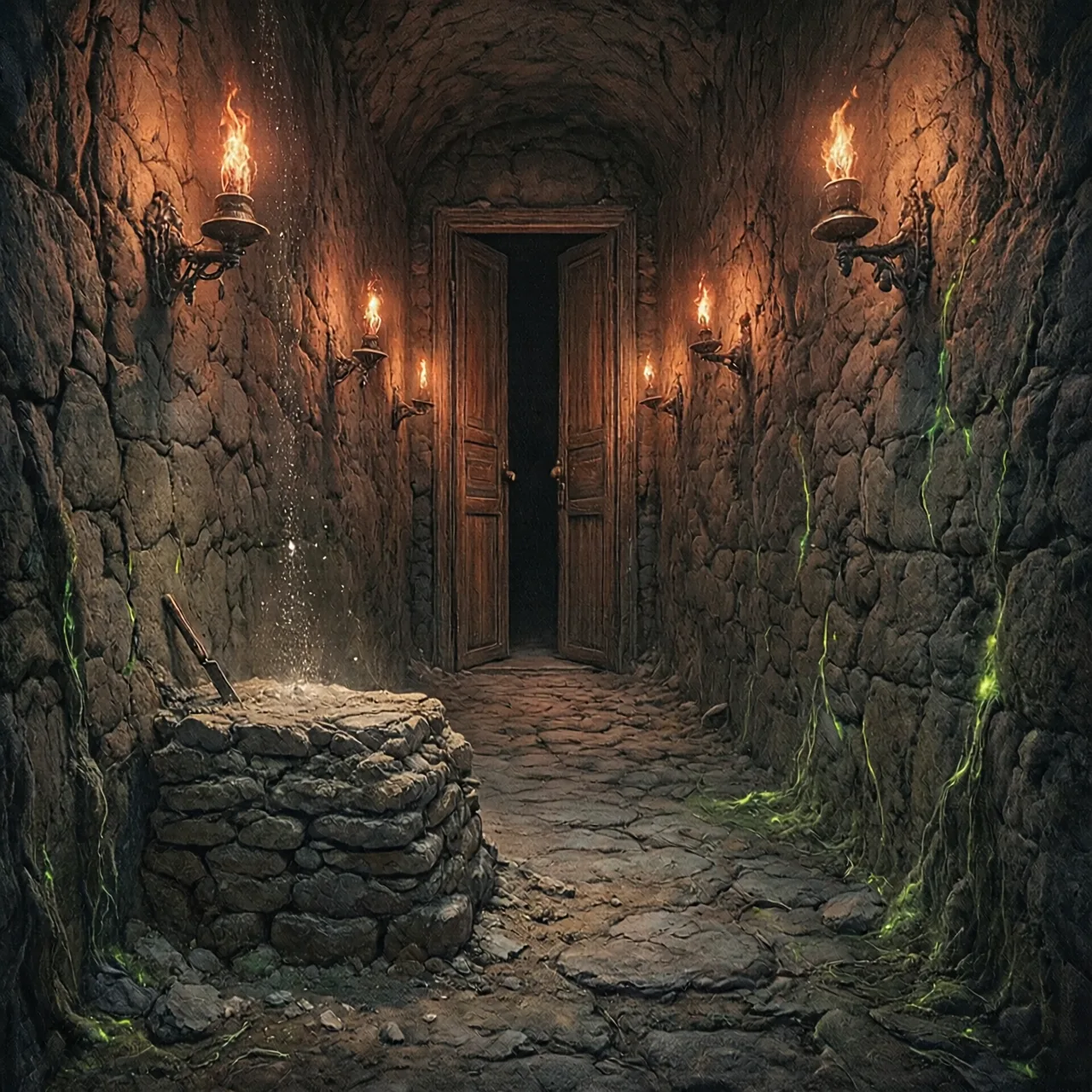
The wall had been removed by someone other than the Order.

The Order's records call it the Wakeful Studies. The Librarian has shortened the designation in her files. The program operated for nineteen years out of a chamber on the fourth sub-stratum, three corridors east of the Annex and one level above. The corridor leading to the chamber had been sealed at its junction by the Order in the year following the program's last entry. The seal was a stone wall mortared into the corridor. The wall had been removed by someone other than the Order. The Librarian found the stones stacked beside the corridor mouth. She did not catalogue the stacking. She found the door open.
Page 2

The chamber had been left as the researchers left it.

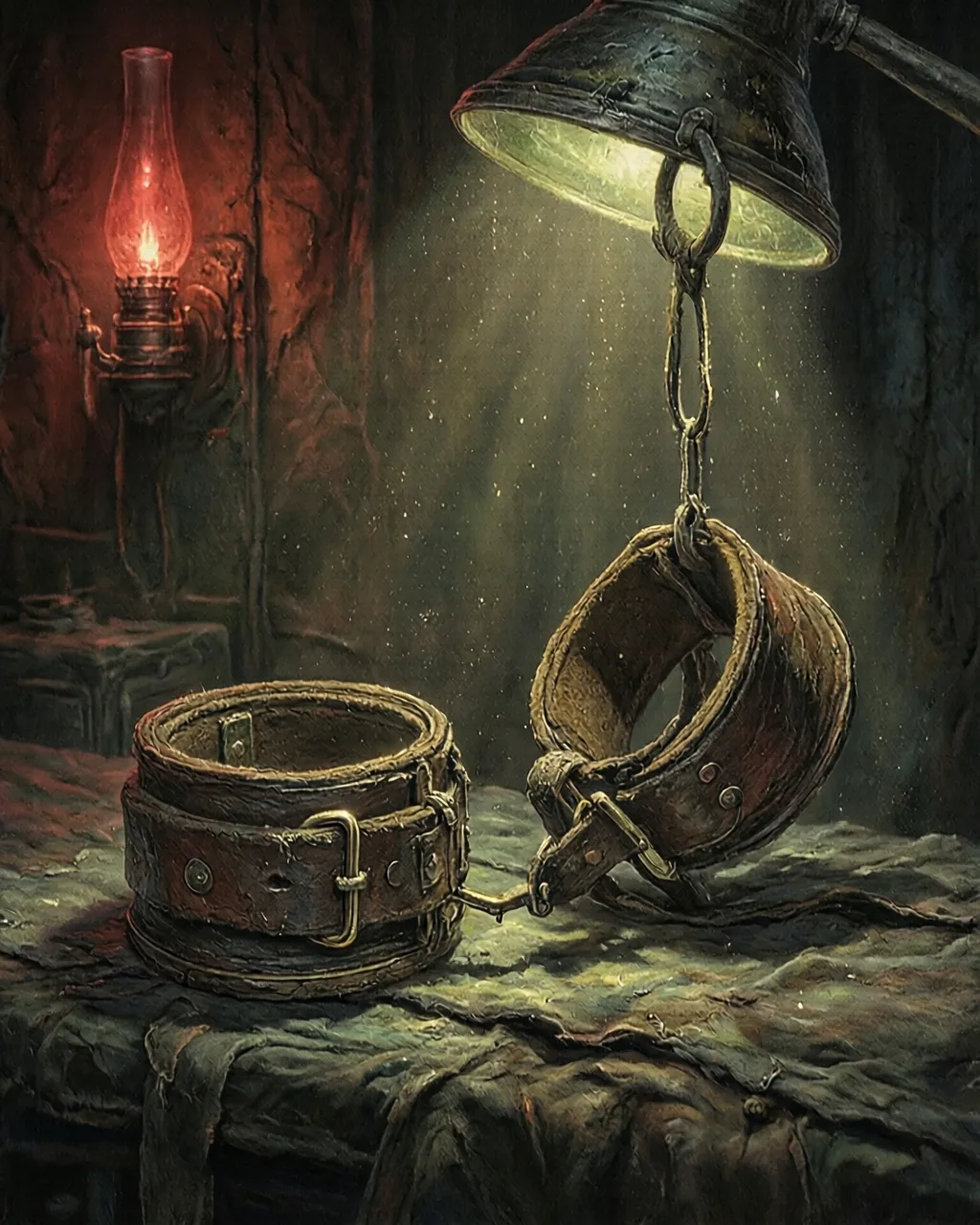
She found the door open. The chamber was large. The floor was tile. The drains were original and recently cleared. Water moved in the trough. She did not put her hand in it. The instruments were on the tables where the researchers had set them. The lamps were unlit. The restraints on the bench were fastened. They held nothing. The chamber had been left as the researchers left it.
The restraints on the bench were fastened. They held nothing. They have been used many times. The leather is worn smooth.
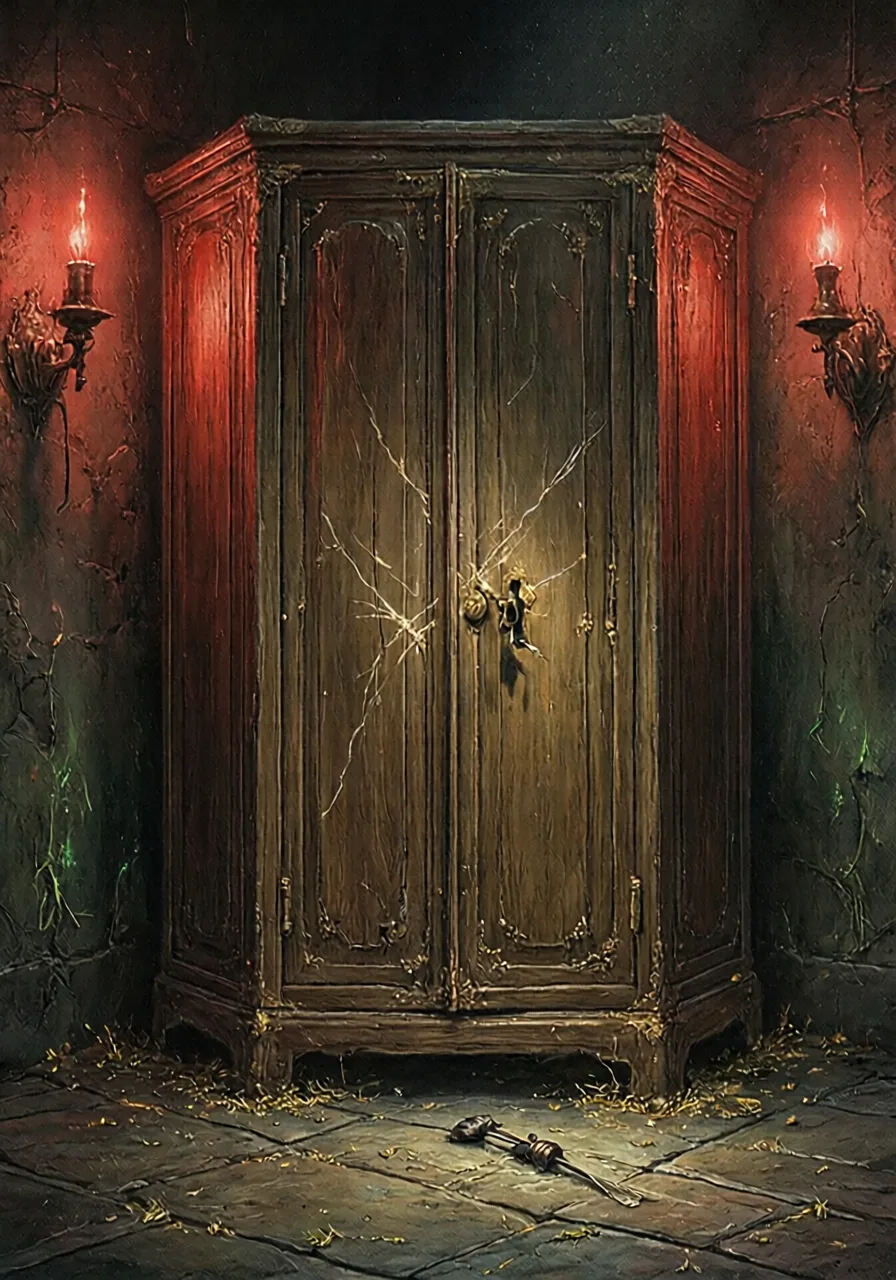
She measured the chamber. She catalogued the instruments. She did not open the cabinet at the rear of the chamber. The cabinet's lock had been disturbed but was intact. She left the cabinet sealed. She has not opened the cabinet. She has noted the cabinet's existence. She has filed the note under the heading she does not re-open.
Page 3

The subject is reading.

Fragment. The program's logbook. The hand is consistent across the entries. The Librarian has reproduced two. Subject 7. Male. Forty-one years. Traveler (unrecorded). Day 1. The thoracic cavity has been opened. The subject's heart is visible. It continues to beat. The subject is reading. Subject 31. Female. Twenty-six years. Attuned (unsponsored). Day 14. The aperture in the abdominal wall has been widened by an additional seven millimetres. The retraction is held by a brass frame. The frame does not slip. The drainage is established. The subject reports no change in sensation since the previous adjustment. The subject's pulse is steady. She has described the lamp. She has described the temperature of the room. She has not described anything within her. This is the fourteenth day of the protocol. The subject has eaten when fed. She has slept when permitted. She is permitted to read between sessions. She continues to answer questions when asked. She has not asked any questions.
Fragment. A single account written by Subject 9. The account was found in the personal effects of an Order observer attached to the program's first year. The hand is the subject's. The account was not authorized. The observer kept it. I am not what I came in as. They have taken nothing from me. They have moved everything. The lamp is steady. The room is at a temperature I am told is consistent. They ask me to describe what I feel. I tell them about the room because I cannot tell them about myself. I do not know what is missing. I know that something has been moved.
Today I asked for water. They brought it. They watch me drink. I do not know who is writing this. The hand is mine. I do not know if I am the one being studied or the one being assembled.
Page 4

The chamber expects me.

The program ended in its nineteenth year. The logbook's final entry describes the completion of Subject 43's protocol. The entry is brief. It describes the subject's continued cooperation. It does not describe the subject's removal. The Librarian has cross-referenced the subjects' personnel files against the receiving records of the ossuary. Twenty-seven of the forty-three subjects are placed in the ossuary at positions the caretaker has tended. She has cross-referenced the subjects against the Annex's recovered intake records. Nine of the remaining sixteen appear there. Their tissue samples were used. She has not been able to locate the remaining seven.
Fragment. A letter found folded inside the founding charter. The hand matches one of the original signatories. The letter is addressed to the third founder, the one whose hand the Librarian has not attributed. The objection you raised is not new. We have discussed it since the Coil. The work cannot be performed on the dead. The dead do not respond. The work requires response. The response requires consciousness. The consciousness requires the subject. You have asked who consents on behalf of the unrecorded. The Order has answered the question in the signatures of those who proceed. I will not write you again on this matter. The next subject is scheduled for the second day. I expect you at the chamber. The chamber expects you. If you do not come, the chamber will continue.
The Librarian has placed the logbook in her secure cabinet. She has not made a copy. The chamber's door has been re-sealed by her own hand. The seal is wax. She did not have the materials to do more. Forty-three subjects entered the Wakeful Studies. Twenty-seven are in the ossuary. Nine are in the Annex. Seven are not where I can find them. The third founder's name is in the personnel register. The hand is in the letter. The hand is not in any other record I have access to. I wonder, sometimes, whether the third founder was present at the chamber after the letter. I have not asked the caretaker. I have not asked the attending. I have not asked the woman at the third bench. The chamber expects me.
— / —
narration auto-scrolls the prose

Section 0Frontmatter

# The Wakeful

From the Catalogue of the Sixteenth Archivist, entry 4,217. Provenance: the personnel files of forty-three subjects, the program's bound logbook recovered intact from the chamber, an account written by one of the subjects and carried out by an Order observer, a letter found folded inside the founding charter, and the Librarian's survey of the chamber when she found the door open. The chamber had been left as the researchers left it.

Forty-three subjects entered the Wakeful Studies. Forty-three records survive. None of the records describe a discharge.

Section 1Section 1

The Order's records call it the Wakeful Studies. The Librarian has shortened the designation in her files. The program operated for nineteen years out of a chamber on the fourth sub-stratum, three corridors east of the Annex and one level above.

The program's stated purpose, in the founding charter, was the systematic observation of physiological processes during continued consciousness. The charter is signed by three founders. Two of the signatures match the founders of the Annex. The third is in a hand the Librarian has not been able to attribute.

The subjects were drawn from the populations the Order classified as unrecorded — travelers without ledger entries, attuned without sponsors, the children of personnel who did not return from their assignments. The personnel files note the source for each subject. The chamber received one subject at a time.

The procedures are described in the program's logbook. The logbook is intact. The Librarian has read it.

Section 2Section 2

She found the door open.

The corridor leading to the chamber had been sealed at its junction by the Order in the year following the program's last entry. The seal was a stone wall mortared into the corridor. The wall had been removed by someone other than the Order. The Librarian found the stones stacked beside the corridor mouth. She did not catalogue the stacking.

The chamber was large. The floor was tile. The drains were original and recently cleared. Water moved in the trough. She did not put her hand in it. The instruments were on the tables where the researchers had set them. The lamps were unlit. The restraints on the bench were fastened. They held nothing.

She measured the chamber. She catalogued the instruments. She did not open the cabinet at the rear of the chamber. The cabinet's lock had been disturbed but was intact. She left the cabinet sealed.

Section 3Section 3

Fragment. The program's logbook. The hand is consistent across the entries. The Librarian has reproduced two.

Subject 7. Male. Forty-one years. Traveler (unrecorded). Day 1.

The thoracic cavity has been opened. The subject's heart is visible. It continues to beat. The subject is reading.

Subject 31. Female. Twenty-six years. Attuned (unsponsored). Day 14.

The aperture in the abdominal wall has been widened by an additional seven millimetres. The retraction is held by a brass frame. The frame does not slip. The drainage is established. The subject reports no change in sensation since the previous adjustment. The subject's pulse is steady.

The intestinal arrangement is consistent with subjects 27 and 29. The mesenteric vessels show the branching the Founders' tablets describe in the third anatomical reference. The subject has been asked to describe what she is currently feeling. She has described the lamp. She has described the temperature of the room. She has not described anything within her.

This is the fourteenth day of the protocol. The subject has eaten when fed. She has slept when permitted. She is permitted to read between sessions. She continues to answer questions when asked. She has not asked any questions.

Tomorrow we will widen further. The subject has consented in writing to each adjustment of the protocol. The signatures are in the file.

Section 4Section 4

Fragment. A single account written by Subject 9. The account was found in the personal effects of an Order observer attached to the program's first year. The hand is the subject's. The account was not authorized. The observer kept it.

"I am not what I came in as. They have taken nothing from me. They have moved everything.

The lamp is steady. The room is at a temperature I am told is consistent. They ask me to describe what I feel. I tell them about the room because I cannot tell them about myself.

I do not know what is missing. I know that something has been moved.

Today I asked for water. They brought it. They watch me drink.

I do not know who is writing this. The hand is mine.

I do not know if I am the one being studied or the one being assembled."

Section 5Section 5

The program ended in its nineteenth year. The logbook's final entry describes the completion of Subject 43's protocol. The entry is brief. It describes the subject's continued cooperation. It does not describe the subject's removal.

The Librarian has cross-referenced the subjects' personnel files against the receiving records of the ossuary. Twenty-seven of the forty-three subjects are placed in the ossuary at positions the caretaker has tended.

She has cross-referenced the subjects against the Annex's recovered intake records. Nine of the remaining sixteen appear there. Their tissue samples were used.

She has not been able to locate the remaining seven.

Section 6Section 6

Fragment. A letter found folded inside the founding charter. The hand matches one of the original signatories. The letter is addressed to the third founder, the one whose hand the Librarian has not attributed.

"The objection you raised is not new. We have discussed it since the Coil. The work cannot be performed on the dead. The dead do not respond. The work requires response. The response requires consciousness. The consciousness requires the subject.

You have asked who consents on behalf of the unrecorded. The Order has answered the question in the signatures of those who proceed.

I will not write you again on this matter. The next subject is scheduled for the second day. I expect you at the chamber. The chamber expects you.

If you do not come, the chamber will continue."

Section 7Section 7

The Librarian has placed the logbook in her secure cabinet. She has not made a copy.

The chamber's door has been re-sealed by her own hand. The seal is wax. She did not have the materials to do more.

She has not opened the cabinet at the rear of the chamber. She has noted the cabinet's existence. She has filed the note under the heading she does not re-open.

Entry 4,217, final annotation.

"Forty-three subjects entered the Wakeful Studies.

Twenty-seven are in the ossuary. Nine are in the Annex. Seven are not where I can find them.

The third founder's name is in the personnel register. The hand is in the letter. The hand is not in any other record I have access to.

I wonder, sometimes, whether the third founder was present at the chamber after the letter.

I have not asked the caretaker. I have not asked the attending. I have not asked the woman at the third bench.

The chamber expects me."

Section 0Frontmatter

# The Wakeful

From the Catalogue of the Sixteenth Archivist, entry 4,217. Provenance: the personnel files of forty-three subjects, the program's bound logbook recovered intact from the chamber, an account written by one of the subjects and carried out by an Order observer, a letter found folded inside the founding charter, and the Librarian's survey of the chamber when she found the door open. The chamber had been left as the researchers left it.

Forty-three subjects entered the Wakeful Studies. Forty-three records survive. None of the records describe a discharge.

Section 1Section 1

The Order's records call it the Wakeful Studies. The Librarian has shortened the designation in her files. The program operated for nineteen years out of a chamber on the fourth sub-stratum, three corridors east of the Annex and one level above.

The program's stated purpose, in the founding charter, was the systematic observation of physiological processes during continued consciousness. The charter is signed by three founders. Two of the signatures match the founders of the Annex. The third is in a hand the Librarian has not been able to attribute.

The subjects were drawn from the populations the Order classified as unrecorded — travelers without ledger entries, attuned without sponsors, the children of personnel who did not return from their assignments. The personnel files note the source for each subject. The chamber received one subject at a time.

The procedures are described in the program's logbook. The logbook is intact. The Librarian has read it.

Section 2Section 2

She found the door open.

The corridor leading to the chamber had been sealed at its junction by the Order in the year following the program's last entry. The seal was a stone wall mortared into the corridor. The wall had been removed by someone other than the Order. The Librarian found the stones stacked beside the corridor mouth. She did not catalogue the stacking.

The chamber was large. The floor was tile. The drains were original and recently cleared. Water moved in the trough. She did not put her hand in it. The instruments were on the tables where the researchers had set them. The lamps were unlit. The restraints on the bench were fastened. They held nothing.

She measured the chamber. She catalogued the instruments. She did not open the cabinet at the rear of the chamber. The cabinet's lock had been disturbed but was intact. She left the cabinet sealed.

Section 3Section 3

Fragment. The program's logbook. The hand is consistent across the entries. The Librarian has reproduced two.

Subject 7. Male. Forty-one years. Traveler (unrecorded). Day 1.

The thoracic cavity has been opened. The subject's heart is visible. It continues to beat. The subject is reading.

Subject 31. Female. Twenty-six years. Attuned (unsponsored). Day 14.

The aperture in the abdominal wall has been widened by an additional seven millimetres. The retraction is held by a brass frame. The frame does not slip. The drainage is established. The subject reports no change in sensation since the previous adjustment. The subject's pulse is steady.

The intestinal arrangement is consistent with subjects 27 and 29. The mesenteric vessels show the branching the Founders' tablets describe in the third anatomical reference. The subject has been asked to describe what she is currently feeling. She has described the lamp. She has described the temperature of the room. She has not described anything within her.

This is the fourteenth day of the protocol. The subject has eaten when fed. She has slept when permitted. She is permitted to read between sessions. She continues to answer questions when asked. She has not asked any questions.

Tomorrow we will widen further. The subject has consented in writing to each adjustment of the protocol. The signatures are in the file.

Section 4Section 4

Fragment. A single account written by Subject 9. The account was found in the personal effects of an Order observer attached to the program's first year. The hand is the subject's. The account was not authorized. The observer kept it.

"I am not what I came in as. They have taken nothing from me. They have moved everything.

The lamp is steady. The room is at a temperature I am told is consistent. They ask me to describe what I feel. I tell them about the room because I cannot tell them about myself.

I do not know what is missing. I know that something has been moved.

Today I asked for water. They brought it. They watch me drink.

I do not know who is writing this. The hand is mine.

I do not know if I am the one being studied or the one being assembled."

Section 5Section 5

The program ended in its nineteenth year. The logbook's final entry describes the completion of Subject 43's protocol. The entry is brief. It describes the subject's continued cooperation. It does not describe the subject's removal.

The Librarian has cross-referenced the subjects' personnel files against the receiving records of the ossuary. Twenty-seven of the forty-three subjects are placed in the ossuary at positions the caretaker has tended.

She has cross-referenced the subjects against the Annex's recovered intake records. Nine of the remaining sixteen appear there. Their tissue samples were used.

She has not been able to locate the remaining seven.

Section 6Section 6

Fragment. A letter found folded inside the founding charter. The hand matches one of the original signatories. The letter is addressed to the third founder, the one whose hand the Librarian has not attributed.

"The objection you raised is not new. We have discussed it since the Coil. The work cannot be performed on the dead. The dead do not respond. The work requires response. The response requires consciousness. The consciousness requires the subject.

You have asked who consents on behalf of the unrecorded. The Order has answered the question in the signatures of those who proceed.

I will not write you again on this matter. The next subject is scheduled for the second day. I expect you at the chamber. The chamber expects you.

If you do not come, the chamber will continue."

Section 7Section 7

The Librarian has placed the logbook in her secure cabinet. She has not made a copy.

The chamber's door has been re-sealed by her own hand. The seal is wax. She did not have the materials to do more.

She has not opened the cabinet at the rear of the chamber. She has noted the cabinet's existence. She has filed the note under the heading she does not re-open.

Entry 4,217, final annotation.

"Forty-three subjects entered the Wakeful Studies.

Twenty-seven are in the ossuary. Nine are in the Annex. Seven are not where I can find them.

The third founder's name is in the personnel register. The hand is in the letter. The hand is not in any other record I have access to.

I wonder, sometimes, whether the third founder was present at the chamber after the letter.

I have not asked the caretaker. I have not asked the attending. I have not asked the woman at the third bench.

The chamber expects me."

Page 1

The wall had been removed by someone other than the Order.

The Order's records call it the Wakeful Studies. The Librarian has shortened the designation in her files. The program operated for nineteen years out of a chamber on the fourth sub-stratum, three corridors east of the Annex and one level above. The corridor leading to the chamber had been sealed at its junction by the Order in the year following the program's last entry. The seal was a stone wall mortared into the corridor. The wall had been removed by someone other than the Order. The Librarian found the stones stacked beside the corridor mouth. She did not catalogue the stacking. She found the door open.
Page 2

The chamber had been left as the researchers left it.

She found the door open. The chamber was large. The floor was tile. The drains were original and recently cleared. Water moved in the trough. She did not put her hand in it. The instruments were on the tables where the researchers had set them. The lamps were unlit. The restraints on the bench were fastened. They held nothing. The chamber had been left as the researchers left it.
The restraints on the bench were fastened. They held nothing. They have been used many times. The leather is worn smooth.
She measured the chamber. She catalogued the instruments. She did not open the cabinet at the rear of the chamber. The cabinet's lock had been disturbed but was intact. She left the cabinet sealed. She has not opened the cabinet. She has noted the cabinet's existence. She has filed the note under the heading she does not re-open.
Page 3

The subject is reading.

Fragment. The program's logbook. The hand is consistent across the entries. The Librarian has reproduced two. Subject 7. Male. Forty-one years. Traveler (unrecorded). Day 1. The thoracic cavity has been opened. The subject's heart is visible. It continues to beat. The subject is reading. Subject 31. Female. Twenty-six years. Attuned (unsponsored). Day 14. The aperture in the abdominal wall has been widened by an additional seven millimetres. The retraction is held by a brass frame. The frame does not slip. The drainage is established. The subject reports no change in sensation since the previous adjustment. The subject's pulse is steady. She has described the lamp. She has described the temperature of the room. She has not described anything within her. This is the fourteenth day of the protocol. The subject has eaten when fed. She has slept when permitted. She is permitted to read between sessions. She continues to answer questions when asked. She has not asked any questions.
Fragment. A single account written by Subject 9. The account was found in the personal effects of an Order observer attached to the program's first year. The hand is the subject's. The account was not authorized. The observer kept it. I am not what I came in as. They have taken nothing from me. They have moved everything. The lamp is steady. The room is at a temperature I am told is consistent. They ask me to describe what I feel. I tell them about the room because I cannot tell them about myself. I do not know what is missing. I know that something has been moved.
Today I asked for water. They brought it. They watch me drink. I do not know who is writing this. The hand is mine. I do not know if I am the one being studied or the one being assembled.
Page 4

The chamber expects me.

The program ended in its nineteenth year. The logbook's final entry describes the completion of Subject 43's protocol. The entry is brief. It describes the subject's continued cooperation. It does not describe the subject's removal. The Librarian has cross-referenced the subjects' personnel files against the receiving records of the ossuary. Twenty-seven of the forty-three subjects are placed in the ossuary at positions the caretaker has tended. She has cross-referenced the subjects against the Annex's recovered intake records. Nine of the remaining sixteen appear there. Their tissue samples were used. She has not been able to locate the remaining seven.
Fragment. A letter found folded inside the founding charter. The hand matches one of the original signatories. The letter is addressed to the third founder, the one whose hand the Librarian has not attributed. The objection you raised is not new. We have discussed it since the Coil. The work cannot be performed on the dead. The dead do not respond. The work requires response. The response requires consciousness. The consciousness requires the subject. You have asked who consents on behalf of the unrecorded. The Order has answered the question in the signatures of those who proceed. I will not write you again on this matter. The next subject is scheduled for the second day. I expect you at the chamber. The chamber expects you. If you do not come, the chamber will continue.
The Librarian has placed the logbook in her secure cabinet. She has not made a copy. The chamber's door has been re-sealed by her own hand. The seal is wax. She did not have the materials to do more. Forty-three subjects entered the Wakeful Studies. Twenty-seven are in the ossuary. Nine are in the Annex. Seven are not where I can find them. The third founder's name is in the personnel register. The hand is in the letter. The hand is not in any other record I have access to. I wonder, sometimes, whether the third founder was present at the chamber after the letter. I have not asked the caretaker. I have not asked the attending. I have not asked the woman at the third bench. The chamber expects me.

Listen ModeClick a section to begin listening

The chronicle plays section by section in the Librarian's voice. As each section plays, the corresponding pages of the comic are highlighted. Switch to Scroll, Flip, Prose, or Split at any time — the audio continues, and you can follow visually.